
One of the most common questions South African buyers ask before applying for finance is simple: what credit score do I need for a home loan? It is a sensible question, but not quite the right one. Banks do not approve home loans on score alone. They assess the wider credit profile, affordability, income stability, existing debt and the details of the property transaction. A score matters, but it is only one part of the picture.
Why the Number Alone Is Not the Decision
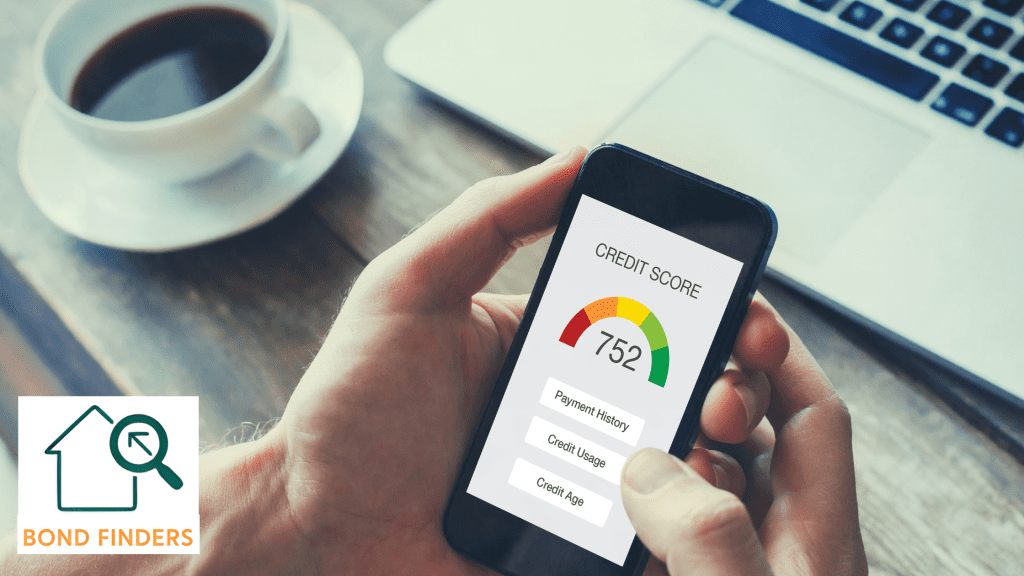
That distinction is important because many buyers either panic over the number or place too much confidence in it. In reality, a home loan decision is closer to a full risk assessment than a single-score pass mark. If you understand that early, you can prepare far more intelligently.
The National Credit Regulator explains that credit bureaux gather and update consumers’ credit histories, and that this information is used by credit providers to assess whether a consumer can afford credit. The NCR also makes clear that consumers have the right to check their record and challenge incorrect information. You can read that consumer guidance directly from the NCR Credit Bureau Rights Brochure.
For a home buyer, the practical meaning is this: your record tells a story. It shows whether you pay accounts on time, how much credit you already use, whether you have judgments or adverse listings, and whether your recent behaviour suggests stability or stress. A lender then combines that picture with your affordability calculation and supporting documentation.
Is There a Minimum Credit Score for Approval?
So, is there a universal minimum score for a South African home loan? No. Different lenders use different risk models, and bond originators know from experience that one bank may look more favourably on an application than another. That is why comparison matters. The same buyer can receive different outcomes depending on the lender’s risk appetite, pricing model and interpretation of the application.
What usually matters more than the number in isolation is the quality of the record behind it.
What Lenders Read Behind the Score
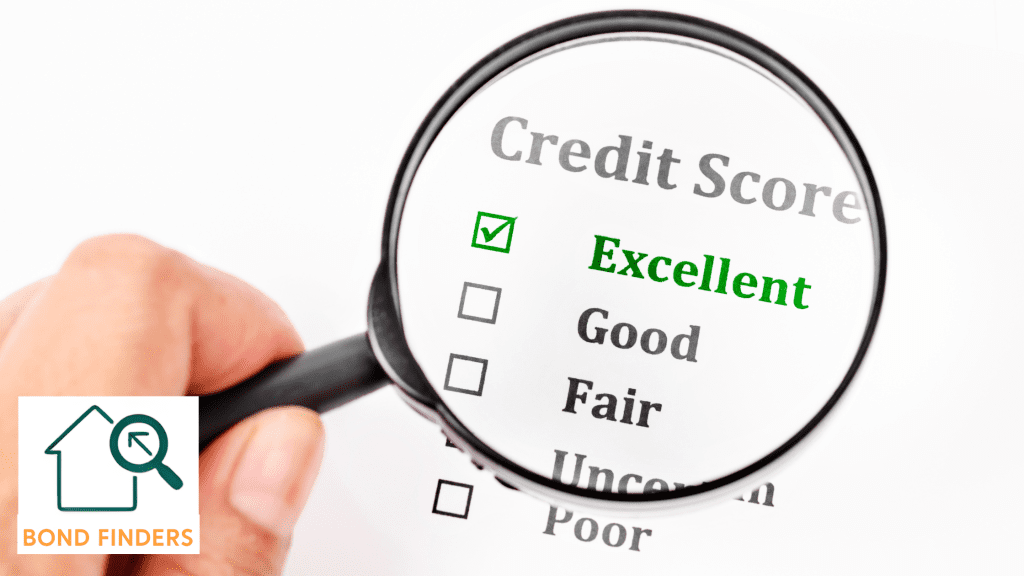
Late payments are an obvious concern. So is maxed-out revolving credit, especially on credit cards and store accounts. Multiple recent credit applications can also raise risk flags, because they may suggest financial pressure. By contrast, a record that shows accounts being serviced consistently over time often supports a stronger application, even if the buyer is not financially perfect.
Affordability remains central. Under South Africa’s credit framework, lenders must assess whether the credit is affordable for the consumer. That means your income, committed expenses and debt obligations carry real weight in the decision. Someone with a decent score but stretched finances may still struggle to obtain a favourable result. Before you apply, use the Affordability Calculator to build a more grounded view of what is realistic.
Why Your Credit Profile Can Affect Pricing
There is another point buyers often miss: your credit report is not just about approval. It can also influence pricing. A cleaner credit profile may support a better interest-rate outcome, while a weaker profile can mean a more conservative assessment. If you have already read Home Loan Interest Rates in South Africa: What Affects Your Rate?, you will know that banks use risk-based pricing, and credit behaviour forms part of that risk picture.
How to Strengthen Your Credit Position Before Applying
The good news is that credit preparation is usually actionable.
Start by checking your record before you make offers on property. The NCR brochure states that you are entitled to request your credit record, and some registered bureaux provide annual access for this purpose. TransUnion, for example, states that consumers can access a free annual report and check whether their details are accurate at TransUnion Free Annual Credit Report. Whether you use a bureau portal or another lawful route, the principle is the same: review before you apply, not after you are declined.
When you review the report, look for factual errors first. Incorrect balances, accounts that do not belong to you, duplicate listings and outdated statuses can all distort your profile. If something is wrong, dispute it before submitting a home loan application. Accuracy matters.
Then look at behaviour. Are you carrying short-term debt that can realistically be reduced in the next few months? Are there debit orders that have been bouncing? Have you recently opened unnecessary retail accounts? Small corrections ahead of time can improve how the file presents when lenders assess it.
How Deposits Support the Broader Application
Deposits can also help strengthen the overall application by reducing the amount that needs to be financed. They do not erase a weak record, but they can improve the structure of the deal. If you are still deciding whether to wait and save, How Much Deposit Do I Need for a Home Loan in South Africa? is a useful companion read.
It is equally important not to overreact to online score mythology. There is no magic number that guarantees approval, just as there is no single number that guarantees rejection. A buyer with stable income, manageable debt and clean supporting documents may still be financeable even if the score is not exceptional. Another buyer with an attractive score but overcommitted monthly obligations may not obtain the same result.
Why Application Positioning Matters
That is why an originator-led process can be commercially valuable. Bond Finders can help position the application, compare offers from participating lenders and identify weaknesses before a buyer commits emotionally to the wrong purchase. Once you are ready, moving from planning to Bond Application is far easier when your credit profile has already been reviewed with intention.
A strong home loan application is rarely built overnight. It is usually the result of timing, financial discipline and good preparation. Your credit score is part of that story, but it should not be the whole story in your mind. The smarter question is not only “What is my score?” but “What does my overall credit profile say about me as a borrower?”
That is the question lenders are really answering. And if you prepare for that question well, you put yourself in a far better position to buy with confidence.
FAQs
What is a good credit score for a home loan in South Africa?
There is no single score that guarantees approval. Lenders assess your broader credit profile, affordability and supporting documents, not just one number.
Can I get a home loan with a low credit score?
Possibly, depending on your income, affordability, deposit and the nature of the issues on your record. Some applications are stronger than the score alone suggests.
How can I check my credit report before applying?
You can request your record through registered credit bureaux and review it for errors, outdated information or adverse listings before you submit a bond application.
Does checking my own credit report hurt my application?
Checking your own report for consumer review purposes is not the same as repeatedly applying for new credit. The smarter approach is to review your profile early and apply strategically.
How quickly can I improve my credit profile?
It depends on the issue. Correcting factual errors can sometimes be addressed relatively quickly, while improving payment history and reducing debt usually takes longer.